
Fate, Choice, and Lost Possibility
Eugene OneginThis thread traces the tension between ominous signs and human decisions, from Tattiana’s dreams to Lensky’s death and the lovers’ final separation.
increasing Bearing strength in each event
 decreasing
Bearing strength in each eventdecreasingA Future Read in Signs
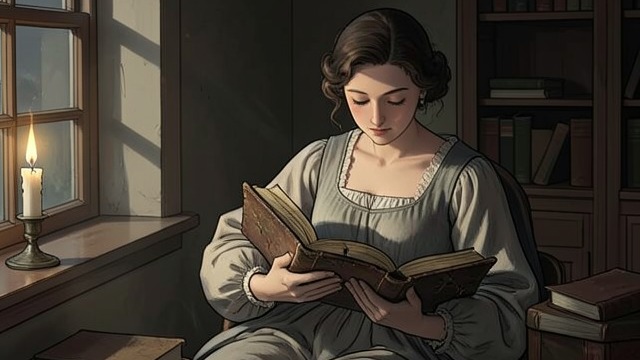
A Future Read in Signs
The wish for certainty
Tattiana studies folk omens, dreams, and fortune-telling customs in the hope of learning what lies ahead. Her curiosity reflects real anxiety about love and marriage.
The rituals give uncertainty a shape she can contemplate.
Prediction remains unstable
The signs do not provide reliable instructions. The poem treats them as culturally meaningful without making them a simple explanation of what follows.
The search for fate begins as a human response to limited control.
The Dream of Death
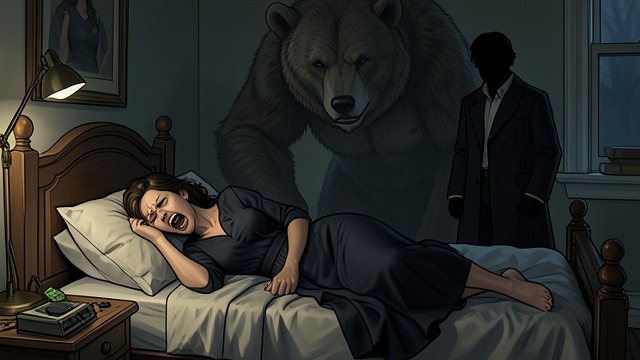
The Dream of Death
A fearful vision
Tattiana dreams of a dangerous crossing, a pursuing bear, and Eugene among monstrous figures. The dream ends with Eugene killing Lensky.
Its images combine desire, fear, and foreboding.
Meaning without certainty
Tattiana consults a dream book but cannot find an interpretation. The failure leaves the dream ominous rather than explanatory.
The vision raises the possibility of fate while preserving the question of how much it predicts.
A Prediction Recalled
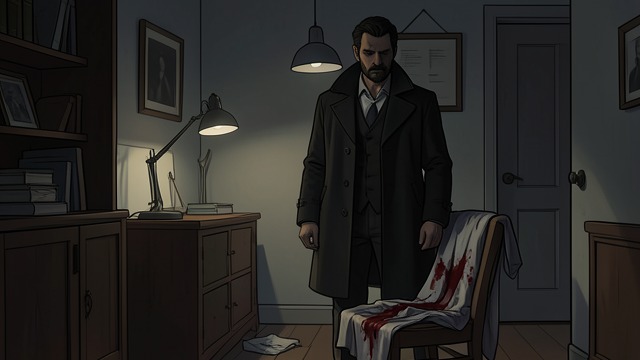
A Prediction Recalled
The dream echoes reality
Eugene kills Lensky, recalling the central event in Tattiana’s dream. The likeness makes the earlier vision seem prophetic.
The resemblance intensifies the sense of inevitability surrounding the death.
Human causes remain visible
The poem has also shown how irritation, jealousy, pride, and fear of public opinion produce the duel. Its outcome is not detached from human choices.
Fate and responsibility remain side by side rather than canceling each other.
The Unlived Poet’s Life
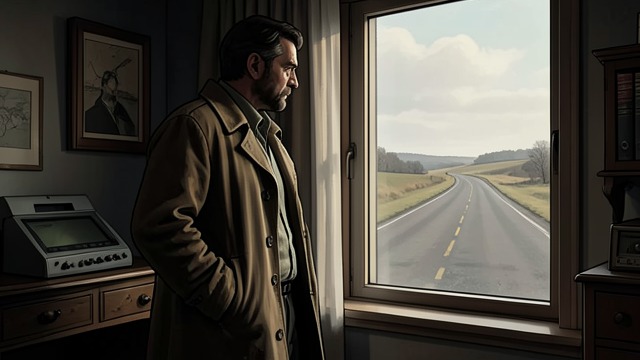
The Unlived Poet’s Life
Futures imagined
The narrator considers whether Lensky might have become a celebrated poet or settled into an ordinary domestic life. Neither possibility can be known.
His death closes not one future but a range of potential lives.
Limits of retrospect
The imagined alternatives make the loss emotionally vivid, but they cannot replace the life that ended. The narrator’s speculation remains explicitly uncertain.
The episode explores fate as the boundary between what happened and what could have happened.
A Chosen Ending
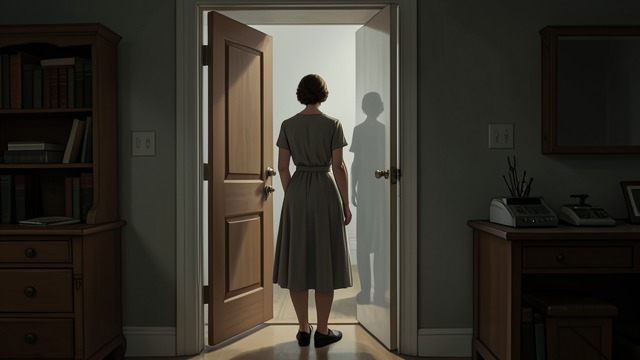
A Chosen Ending
The past cannot be remade
Eugene and Tattiana meet after years of altered circumstances. Their history seems to have prepared them for a union at the moment when it is no longer possible.
Tattiana recognizes both her love and her obligations.
Agency within constraint
She refuses Eugene and leaves, making a choice rather than submitting to a simple prophecy. Their lives have been shaped by chance and social circumstance, but her decision is her own.
The ending leaves fate unresolved and responsibility firmly present.
during Tattiana’s winter divinations
the night before the name-day celebration
after Lensky falls in the duel
in the narrator’s meditation after the duel
at the novel’s final encounter
